Hysterectomy
in Bangalore
For some women a hysterectomy ends years of bleeding and pain in a single operation. For others it is offered before anything simpler has been properly tried. The first job of a consultation is to work out which of the two you are.
Dr. Anjani Dixit · MBBS, DNB, FMAS · Laparoscopic surgeon · 14+ years
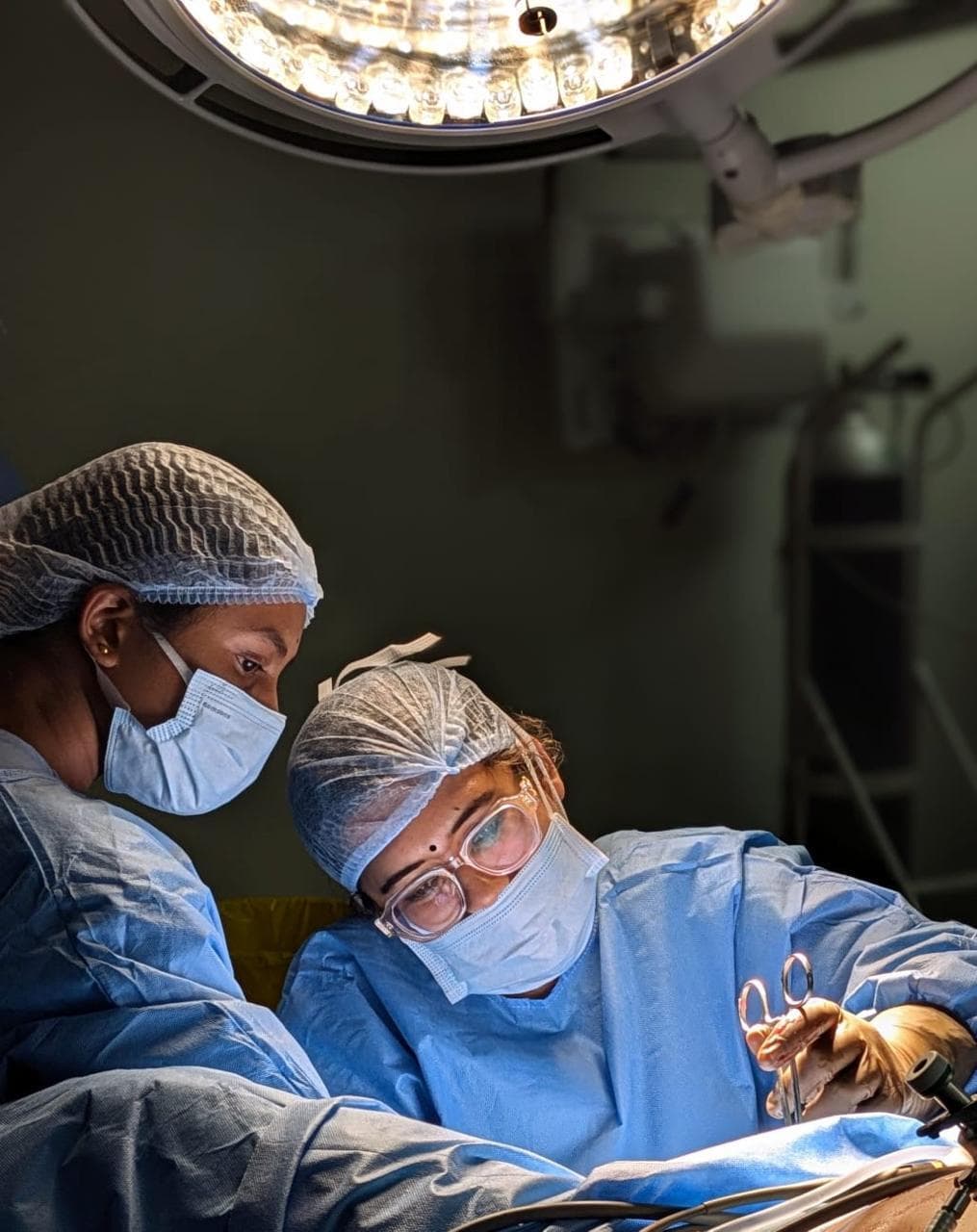
What a hysterectomy actually is
It is the removal of the uterus — the womb. Once it is done, periods stop permanently and pregnancy is no longer possible. Everything else people fear about it depends on decisions that are made separately: whether the cervix comes out, whether the tubes come out, and above all whether the ovaries stay.
It is one of the most common operations in gynaecology, and one that a good number of women turn out not to need. Both of those things are true at once, which is why the honest version of this conversation starts with the alternatives rather than the date.
When it is needed
When it is genuinely the right answer
These are the situations where removing the uterus solves the problem properly rather than postponing it.
Fibroids that have outgrown the alternatives
Bleeding through pads in an hour, a stomach that looks pregnant, pressure on the bladder. When fibroids are very large or too numerous to shell out one by one, and your family is complete, removing the uterus solves the problem in one operation instead of several.
Adenomyosis
The lining grows into the muscle of the uterus, which becomes boggy, heavy and painful. It rarely shows on a scan as clearly as fibroids do, it does not respond well to surgery that keeps the uterus, and hysterectomy is the only definitive cure.
Bleeding that will not settle
Periods lasting ten days, flooding, clots, an iron level that will not come up whatever you take. If medication, a hormonal IUD and an ablation have been tried honestly and failed, continuing to bleed is not a neutral option — anaemia has its own cost.
Before you agree
What is worth trying first
Every one of these keeps the uterus. Not all of them will suit your case — but you should know which were considered, and why they were ruled out.
A hormonal IUD
The small coil that releases progestogen inside the uterus. It cuts heavy bleeding substantially for most women, often to spotting or nothing, and it treats adenomyosis pain. Fitted in the clinic in a few minutes, reversible, and lasts around five years.
Medication
Tranexamic acid taken during periods, anti-inflammatories, or hormonal treatment. Unglamorous, cheap, and enough on its own for a good number of women — particularly when the uterus itself is structurally normal.
Endometrial ablation
A day-care procedure that removes the lining of the uterus so it can no longer build up and bleed heavily. Suitable when the uterus is close to normal size and your family is complete. No incisions, back to normal within days.
If a hysterectomy has been recommended to you and none of the above came up in the conversation, that is not a reason to panic. It is a reason to have the scans read again.
Get a second opinion on surgeryThe operation
What is removed, and how
What comes out
- Total hysterectomy
- The uterus and the cervix. The commonest version, and the default unless there is a reason to do otherwise.
- Subtotal (supracervical)
- The uterus, with the cervix left in place. Occasionally chosen for surgical reasons; it means smear tests continue.
- With the fallopian tubes
- Usually removed at the same time. They serve no purpose once the uterus is gone, and removing them lowers the risk of ovarian cancer later.
- With or without the ovaries
- A separate decision, and the one that matters most for how you will feel afterwards. See below.
How it is done
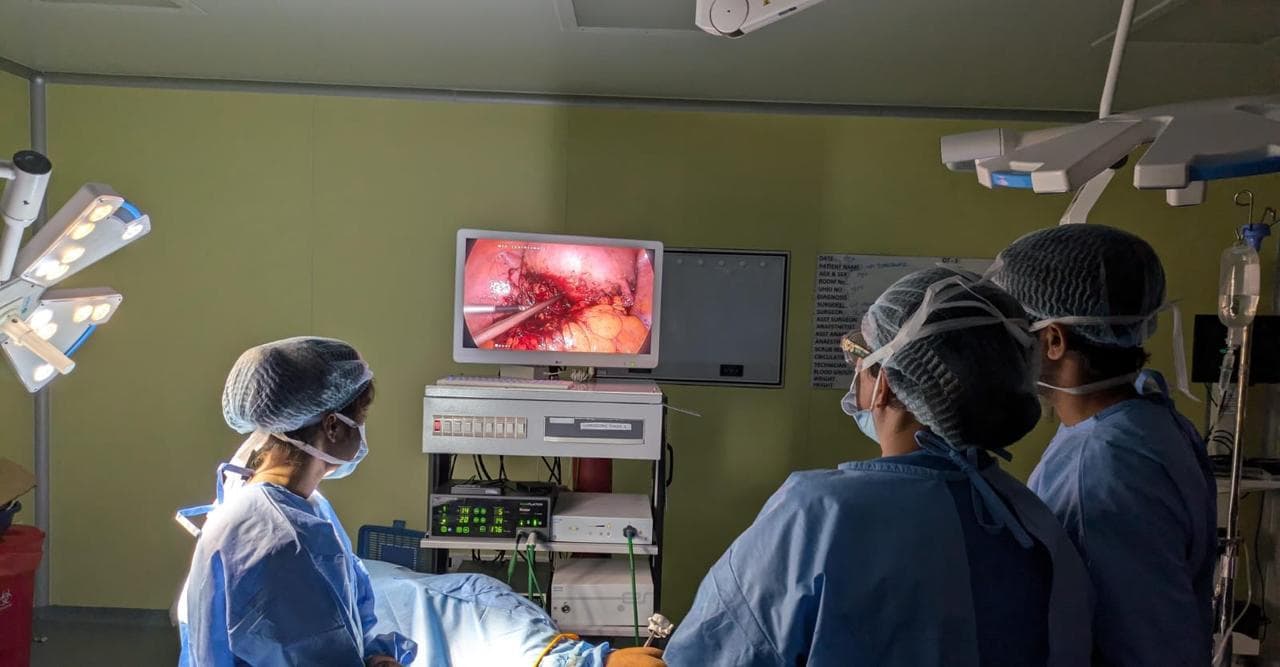
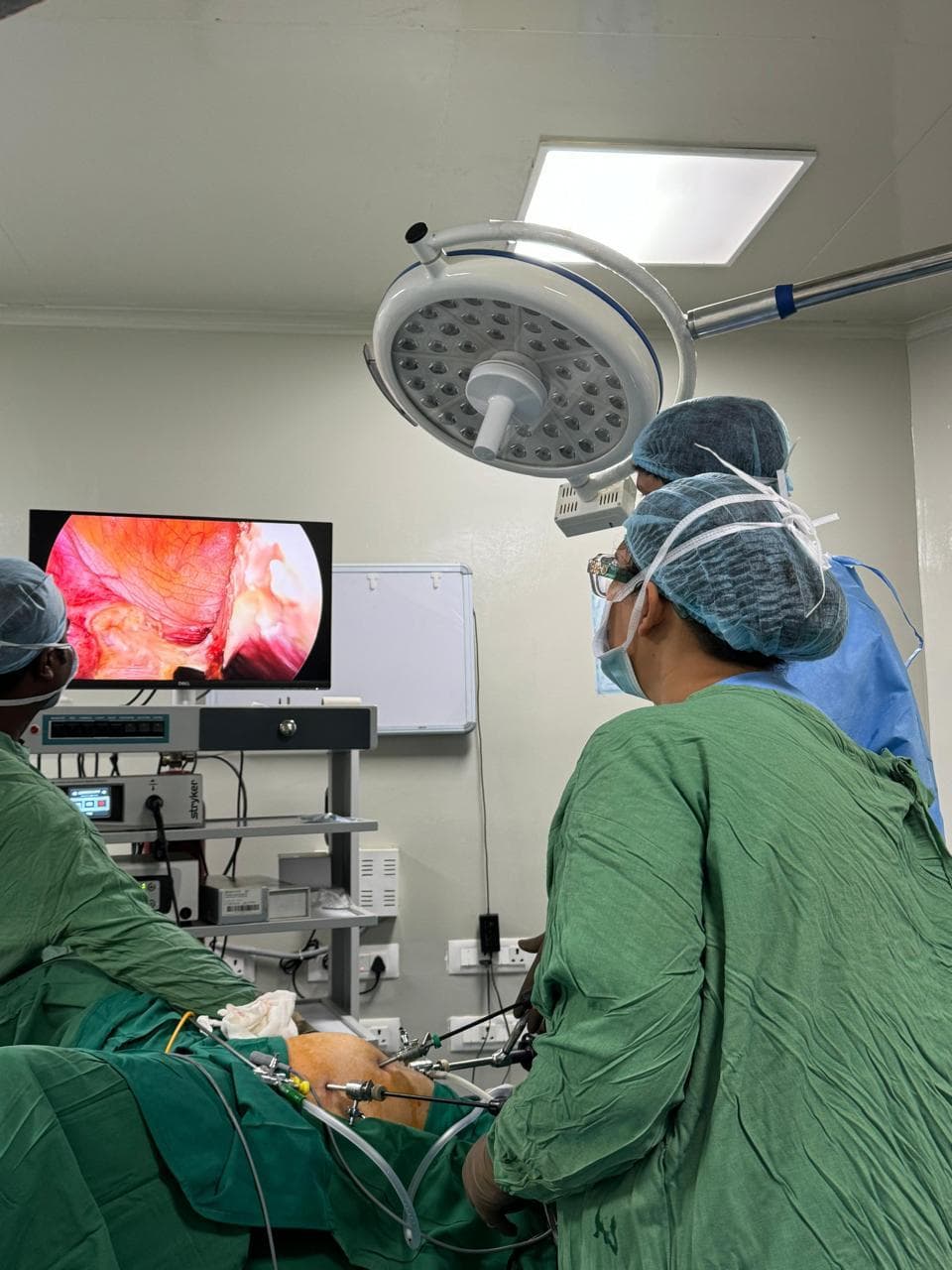
- Laparoscopic (keyhole)
- Three or four incisions under a centimetre. One to two nights in hospital, least pain, quickest return to normal life. Dr. Anjani’s default where it is safe.
- Vaginal
- No abdominal incisions at all — the uterus is removed through the vagina. Often the best route when the reason for surgery is prolapse.
- Open (abdominal)
- A single larger incision. Needed for a very large uterus, dense scarring from earlier surgery, or some cancers. Longer stay, longer recovery, and sometimes the safer operation.
The route is chosen from your scans and history before the day, and explained to you. Occasionally a keyhole operation is converted to open during surgery — that is a safety decision, not a complication.
The question everyone asks
“Will this put me into menopause?”
Only if both ovaries are removed. The uterus does not make hormones — the ovaries do. In a standard hysterectomy before menopause the ovaries are left in place, and they carry on exactly as before. No hot flushes, no HRT, no surgical menopause. What changes is that periods stop and pregnancy is no longer possible.
Ovaries are removed when there is a reason to remove them: a cancer diagnosis, severe endometriosis involving them, a strong family history, or when you are already past menopause. Taking them out before natural menopause causes it immediately, which is a serious decision with consequences for bone and heart health — it deserves its own discussion, and hormone replacement is part of that discussion.
If nobody has told you whether your ovaries are staying, ask before you sign the consent form. It is the single most important detail of the operation for how you will feel afterwards.
Recovery
What the weeks afterwards look like
This is the timeline for keyhole surgery. Open surgery adds roughly two to four weeks at every stage.
- Day of surgeryYou will be walked to the bathroom the same evening. The catheter comes out the next morning. Pain is usually managed with ordinary painkillers rather than anything dramatic; the strangest part for most women is trapped gas from the keyhole surgery, felt as an ache in the shoulder tip.
- Day 1–2Home, after one or two nights. You will be eating normally and walking around the house. Someone should be with you for the first few days — not for emergencies, but so you are not carrying anything or standing at a stove.
- Week 1Tired in a way that surprises people who have had other surgery. Short, frequent walks, several a day. Light vaginal bleeding or brown discharge is expected and can come and go for a few weeks.
- Weeks 2–3Desk work becomes realistic, from home first if you can. Driving once you can brake hard without hesitating and are off strong painkillers. Stitches, if any, have dissolved or been removed.
- Weeks 4–6Energy is largely back. Still no heavy lifting, no gym, no intercourse — the top of the vagina is healing internally and that is the one thing that cannot be rushed. Review at six weeks, and this is the appointment where restrictions get lifted.
- 3 monthsFull internal healing, though you will have felt normal long before. Exercise, travel, lifting, everything back on the table.
These are typical ranges, not promises — age, the reason for surgery, the size of the uterus and what else had to be done all move them. Your own plan is set at your follow-up.
Straight answers
Risks, and what to watch for
Worth knowing before you consent
- Bleeding, occasionally enough to need a transfusion
- Infection of the wound or the vaginal vault
- Injury to the bladder, ureter or bowel — uncommon, and repaired at the time if it happens
- Blood clots in the leg or lung, which is why you are walked early
- Conversion from keyhole to open surgery for safety
- Ovarian function can decline somewhat earlier even when the ovaries are kept
Call straight away if
- Fever, or a wound that becomes red, hot or starts discharging
- Heavy vaginal bleeding, or clots, rather than light spotting
- Pain that is getting worse rather than better, or is not touched by your painkillers
- Pain, swelling or redness in a calf, or sudden breathlessness
- Difficulty passing urine, or burning that does not settle
- Vomiting, or no bowel movement with a swollen, tight abdomen
Your consultation
What the appointment covers
Dr. Anjani reads your scans and reports herself before recommending anything. The conversation covers what is causing your symptoms, which of the uterus-preserving options are realistic in your case, and — if surgery is the answer — which route, what is removed, what is kept, and how long you will be off work.
You are not expected to decide in the room. Most women take the plan home and come back, and that is the normal way to do this.
What to bring
- Ultrasound or MRI reports, and the images if you have them
- Any biopsy or pathology reports
- Recent blood tests, particularly haemoglobin
- A list of the medicines you take
- What has already been tried, and for how long
- Someone with you, if you would rather not hear it alone
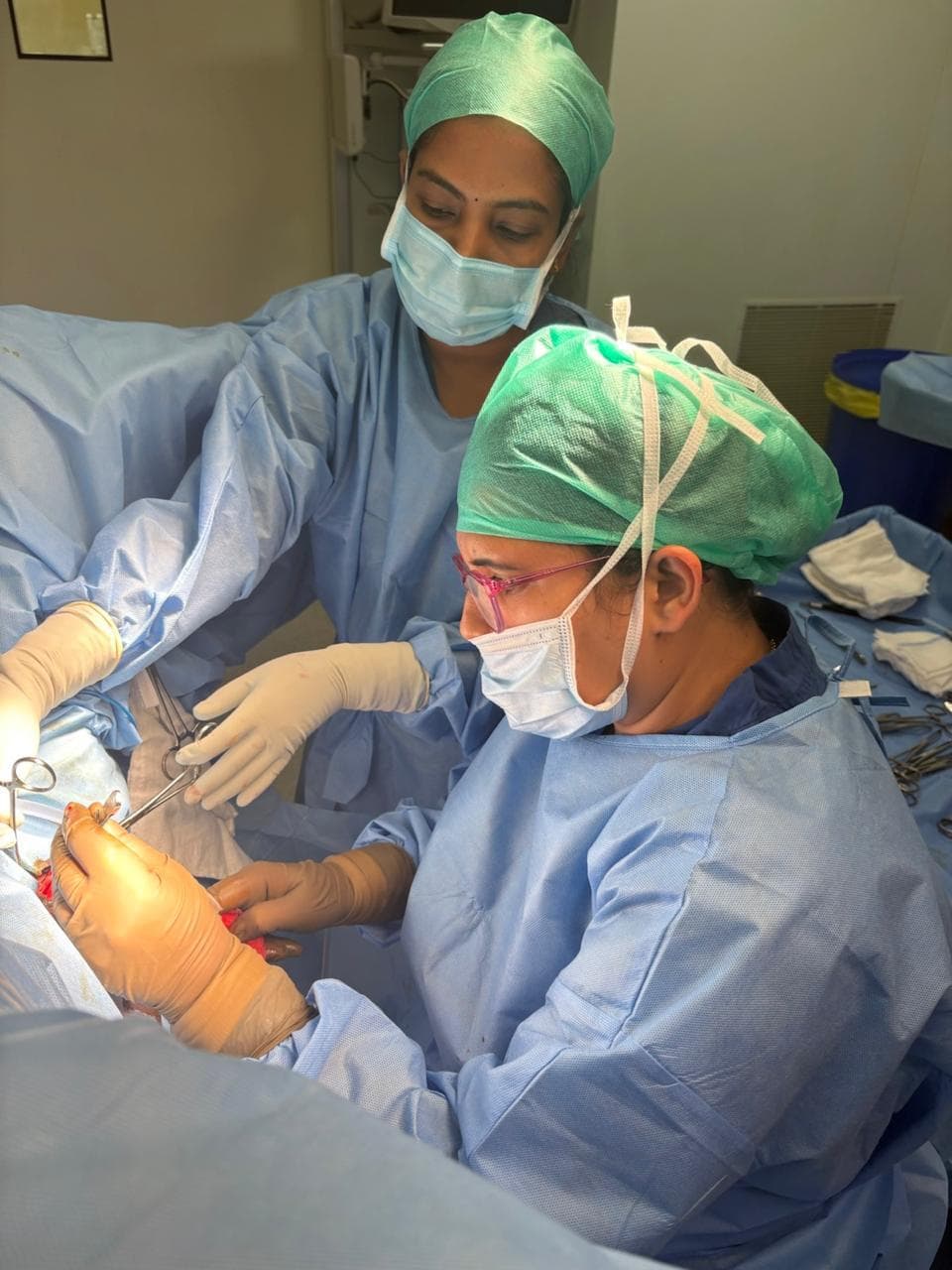
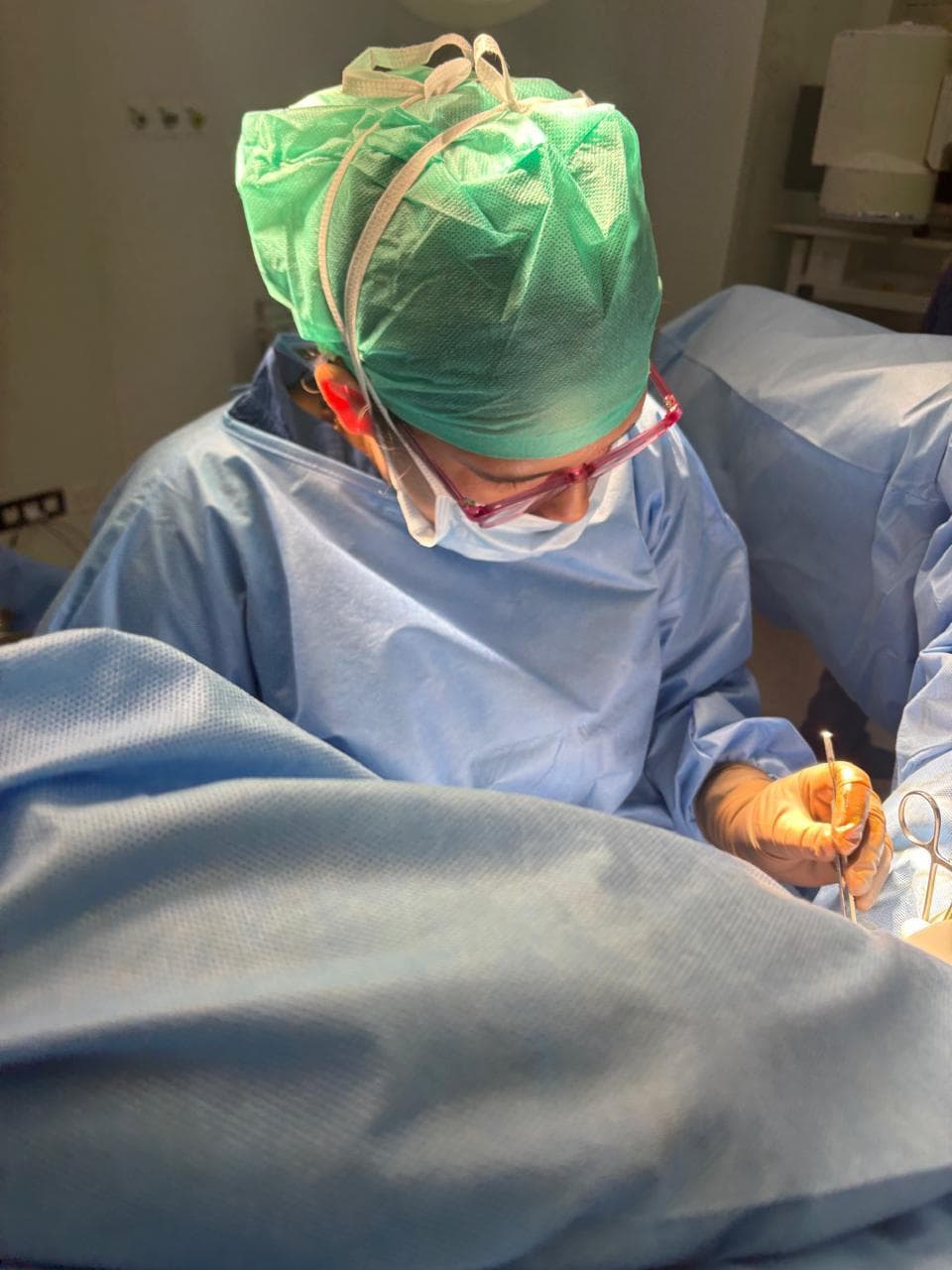
In the operating theatre
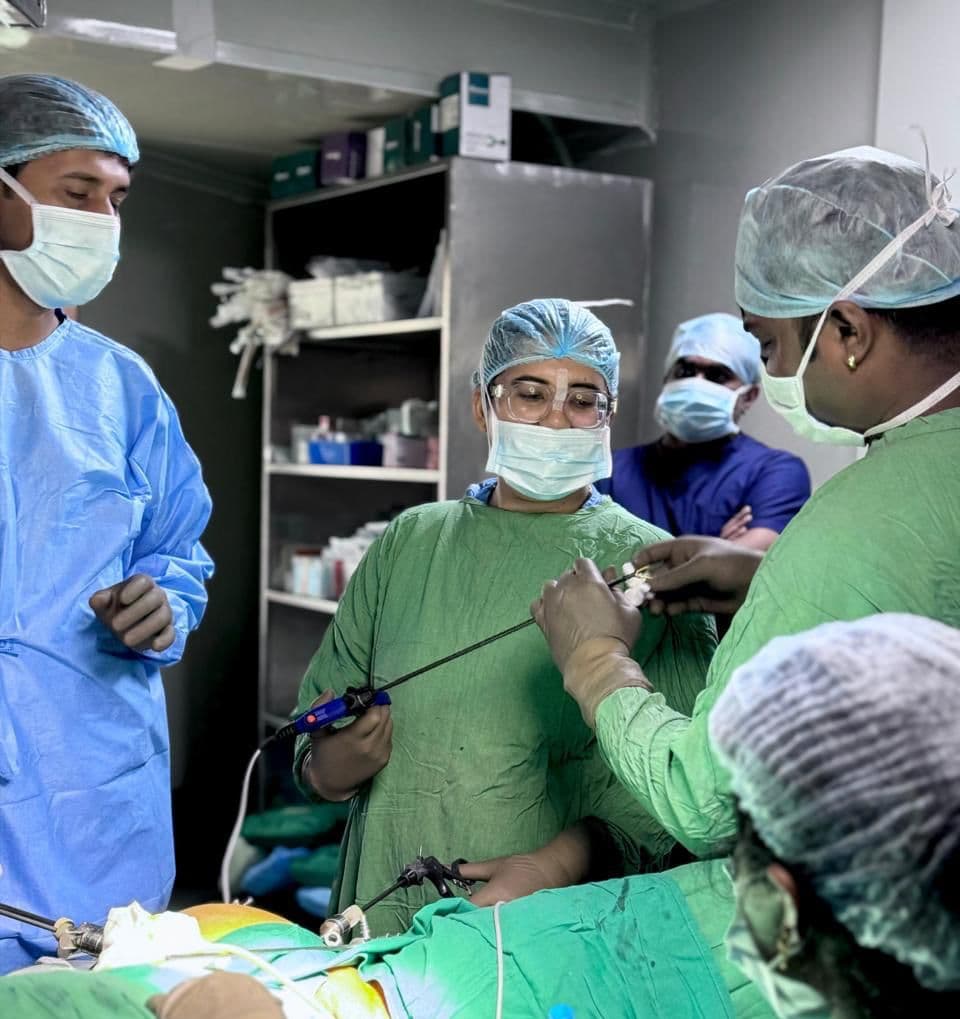
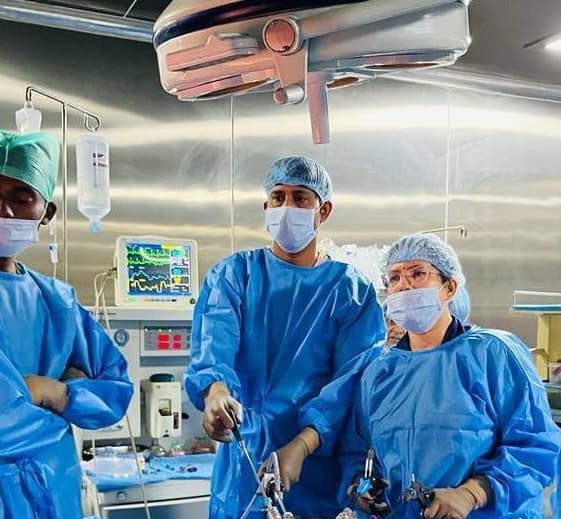
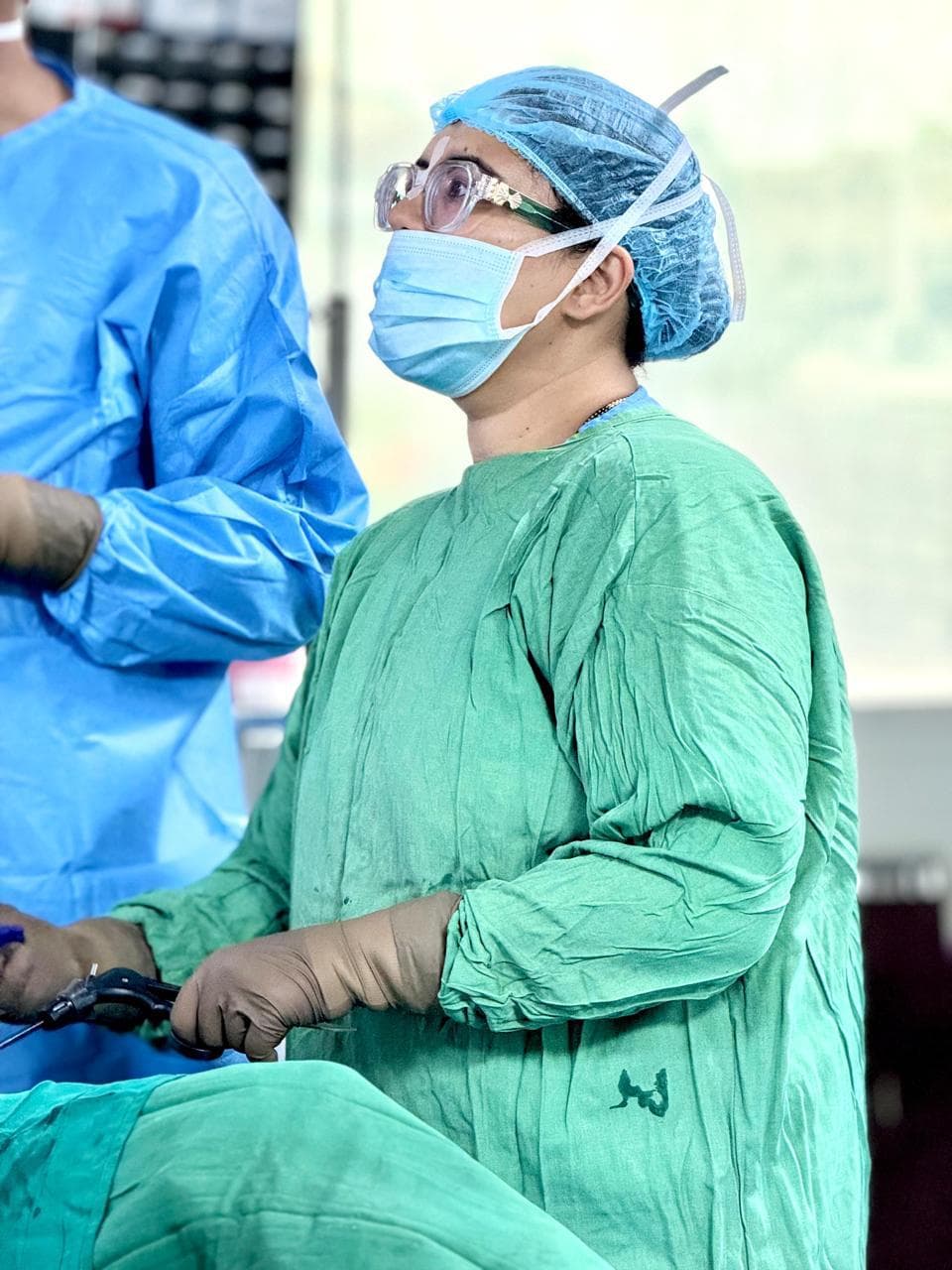
Who will be operating
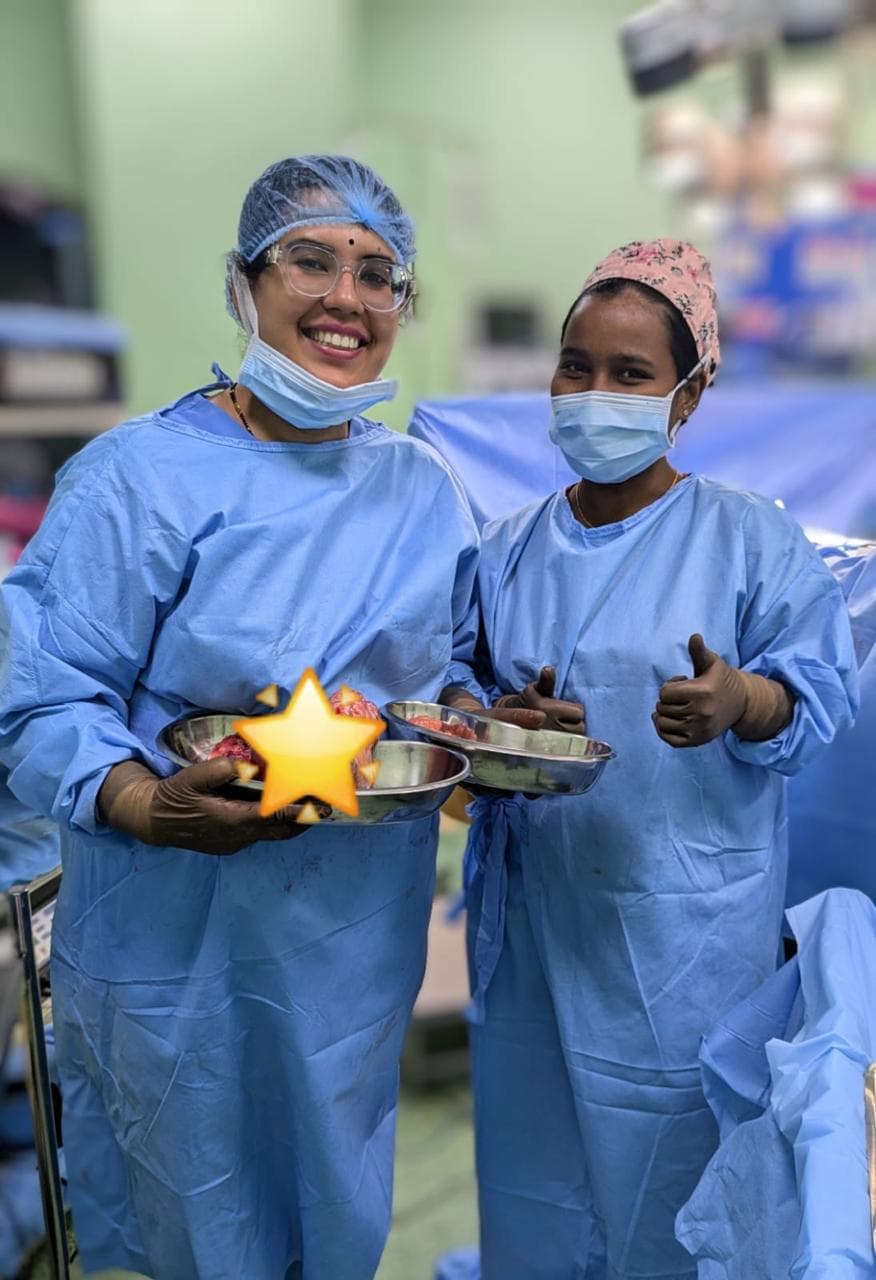
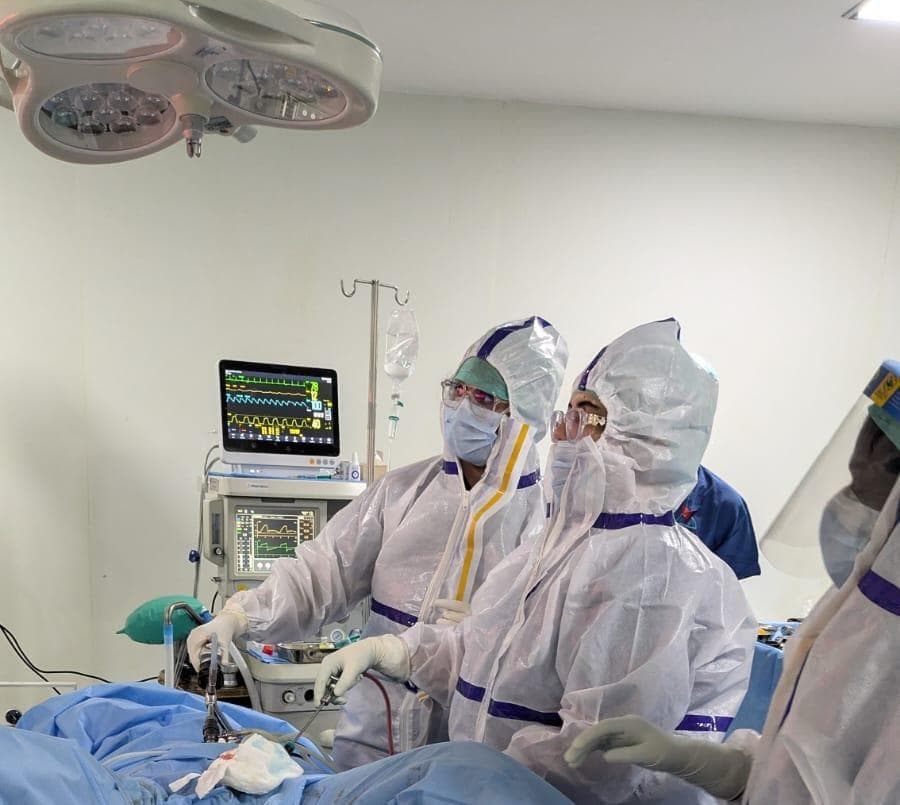
Patient stories
Women who have had this surgery
Unedited patient reviews · Google cards link to the original review

I had a laparoscopic hysterectomy surgery of my aunt. From first consultation to till the last visit post surgery was very comfortable. She is very knowledgeable and makes you ay ease at once . Thank you for all the care. Many thanks highly recommended
Read on GoogleHello, dr Anjani is best gynecologist dr for me.very good nature and did successful laparoscopic myomectomy surgery for me. It was successful. She is based in Indiranagar. Thank you so much ma'am. Highly recommended
Read on Google
The Doctor Anjani Dixit was very friendly, compassionate and approachable. She explained the hysterectomy surgery clearly, including the procedure, risks, and recovery process, which helped us feel informed and confident. I am a specially abled girl (polio with both legs) and she treated me with a great care and professionalism during the surgery. Her dedication, patience, and excellent communication made the entire experience reassuring and positive. Thank you mam👍🏻
Read on Google

Questions
Hysterectomy — your questions
Locations
Where Dr. Anjani Practises
Consultations and pre-surgical evaluation happen at her Indiranagar clinic. The surgery and your stay are at one of these partner hospitals, where Dr. Anjani operates herself.
Kasper Multi-Speciality Clinic
31, 80 Feet Rd, Indiranagar, Bengaluru 560038
Mon–Sat · 9 AM – 7 PM
Get directionsWith multiple partner hospitals to choose from, we can find one that fits well with your insurance — along with your location, budget, and the facilities your care needs.
Find out where you actually stand
One consultation is enough to know whether you need this operation, whether something smaller would do, and what either would mean for your next few months.
Kasper Multi-Speciality Clinic · 31, 80 Feet Rd, Indiranagar, Bengaluru 560038 · Video consultations available
Explore more
Laparoscopic Surgery
Keyhole surgery for fibroids, endometriosis, ovarian cysts and hysterectomy — smaller incisions and a shorter recovery.
IVF & Fertility
Fertility evaluation, IUI and IVF, including the surgical causes of infertility that cycles alone will not resolve.
Pregnancy Care
Antenatal care and high-risk obstetrics, from the first scan through delivery and the weeks after.
PCOS Treatment
Cycle regulation, insulin resistance and long-term metabolic health — treating the cause rather than the symptoms.
Surgery Second Opinion
Been advised a hysterectomy or open surgery? Have the scans reviewed before you agree.
About Dr. Anjani
Fourteen years, 1500+ procedures, and the training behind them.